
Product Description
Bio Organic Fertilizer Manufacturers Home » Bio Fertilizers » Bio Organic Fertilizer Manufacturers Bio Organic Fertilizer Manufacturers – Product Description Agrilife is a notable Bio Organic Fertilizer Manufacturers in India. Our manufacturers deal with superior quality bio organic fertilizer.
Offered organic fertilizer is processed utilizing the high grade substances of living microorganism under favorable condition. The products offered by us helps to increase the fertility of land and also reduce the pre dropping of flowers and fruits.
Bio Organic Fertilizer contains live cells of specific strains of fungi and bacteria which are formulated in suitable carriers. We at, Bio Organic Fertilizer Manufacturers are assisted by highly qualified professionals and hence able to deliver the premium quality of fertilizer to our customers at desired time span.
Our valuable clients can avail these bio organic fertilizers at affordable costs and in various kind of packaging option.

Bio Organic Fertilizer Manufacturers – Product Features
Highly effective Vital nutrients Unmatched quality Safe to use Eco-friendliness Long shelf life Bio Organic Fertilizer Manufacturers – Product Types Nitrogen fixing bacteria Phosphorus solubilizing bacteria Potassium mobilizing bacteria Ferrous mobilizing bacteria Zinc mobilizing bacteria Sulphur mobilizing bacteria Manganese solubilizing microbe Vesicular Arbuscular Mycorrhizae (VAM)
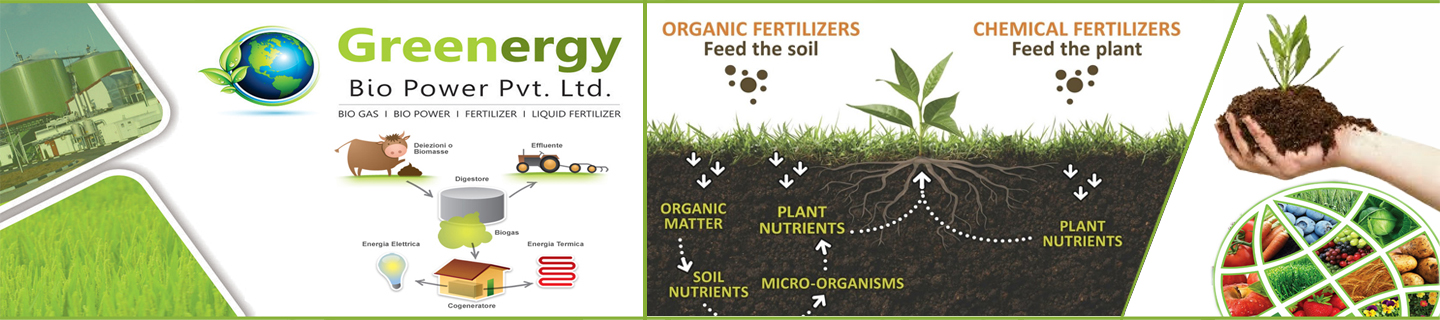
ORGANIC FERTILIZER
What is Organic Fertilizer: - Organic fertilizer is a technique which involves in cultivations of plants, crops, vegetables and fruits in natural manner this process involves uses of biological materials avoiding synthetic substances to maintain the soil and safe from pollution and wastage is known as organic fertilizer.
Organic fertilizer makes uses of pesticides they highly used the natural and avoid use of various petrochemical fertilizers and pesticides.
Advantages of Organic Fertilizer: -
- Nonpoisonous food: - Use of these organic fertilizer guarantees that the substances things delivered are free of harmful chemicals. Therefore the end purchase who eat these natural products are less inclined diseases like cancer, strokes and skin disordered as compared to those who consume food items produced by using chemical fertilizers.
- On Farm production: - The organic part of natural fertilizer can be arranged locally or on the farm itself. Thus the cost of these composts is much lower than other.
- Low capital investment: - The organic Fertilizer helps us in soil structure and increasing its nutrient holding capacity so the farmers who are using organic fertilizer have many years requires to far less fertilizer because the soil is already rich in essential nutrients.
- Safe environment: - organic fertilizers are effectively bio-degradable and don’t bring any amount of contamination. On the chemical fertilizer contaminate both land and water which is a major cause of diseases for human being and force to see behind the number of plants, animals and insect species.
As we see there are different types of organic fertilizer are there such as chemical fertilizer, organic fertilize are available in the market. As we see the most of the farmer are using chemical fertilizer they are seeing their own profit but not seeing what will cause to the human being. The advantages of organic fertilizers is
Benefits of Organic Fertilizer:-
- Food which produces is free from harmful chemicals.
- Do not cause any other pollution.
- Helping in maintain soil structure, and increase soil nutrients holding capacity.
- Cost is effective and organic fertilizer can also prepared locally.